Smart Home Lighting: The Ultimate Guide to a Brighter, Smarter Home
1/23/20268 min read
Introduction to Smart Home Lighting
Smart home lighting refers to advanced lighting systems that enable homeowners to control and customize their lighting environments through the use of intelligent technology. Unlike traditional lighting setups, which typically rely on manual switches, smart lighting can be controlled remotely via smartphones, tablets, or voice-activated assistants. This innovation marks a significant shift in how we manage our home environments, enhancing both functionality and user experience.
The evolution of smart technology has brought about a remarkable increase in the availability and use of smart lighting solutions. As homes become smarter, lighting systems are incorporating features such as programmable schedules, dimming capabilities, and color temperature adjustments, allowing users to create personalized lighting atmospheres. These advancements have made it easier for people to manage their energy usage, contributing to a more sustainable household.
Integrating smart home lighting offers several advantages. One of the primary benefits is energy efficiency. Smart bulbs typically consume less energy than their traditional counterparts, and their capability to be programmed for specific use reduces wasted electricity. Furthermore, the convenience associated with smart lighting enables users to adjust their lighting preferences from anywhere, providing greater control over their home environment.
Additionally, smart lighting significantly enhances home security. Automated lighting systems can be programmed to mimic human activity, such as lighting up certain rooms at specific times, which can deter potential intruders. This added layer of security, coupled with the convenience that smart lighting provides, makes it an appealing choice for many homeowners.
In essence, smart home lighting systems not only improve the user experience through increased convenience and personalization but also advocate for energy conservation and security-enhancing features, marking a progressive step forward in residential living.
Types of Smart Lighting Solutions
Smart lighting solutions encompass a wide range of products designed to enhance the convenience and energy efficiency of home illumination. Among the most popular options are smart bulbs, smart switches, and comprehensive lighting control systems. These solutions not only allow users to adjust brightness and color but also integrate seamlessly into various smart home ecosystems.
Smart bulbs are perhaps the most recognized smart lighting products. They can replace traditional incandescent, fluorescent, or LED bulbs, often featuring advanced features such as color adjustment and scheduling. These bulbs typically connect via Wi-Fi or Bluetooth, enabling users to control their lights remotely through a smartphone app or voice assistant. The ease of installation and compatibility with existing fixtures make smart bulbs an appealing first step into smart home lighting.
In contrast, smart switches offer a more permanent solution. By replacing standard light switches, they provide users with the capability to control multiple fixtures in a room or an entire home from one central point. Smart switches are available in various technologies, including Zigbee and Z-Wave, which operate on mesh networks offering reliable communication among devices throughout the home. However, installation may require additional effort, such as wiring modifications, which could deter some homeowners.
Lastly, lighting control systems provide comprehensive management for more extensive smart lighting setups. These systems integrate various devices and technologies, allowing for advanced automation and control over multiple functions. Solutions like Philips Hue or Lutron can create customized lighting scenes that adapt to different times of the day or activities. While they can offer superior flexibility and functionality, they often require a higher upfront investment and a steeper learning curve.
The diverse technologies that power smart lighting, such as Zigbee, Z-Wave, Wi-Fi, and Bluetooth each have their advantages and limitations. Zigbee and Z-Wave excel in long-range connectivity and low power consumption, but may require a compatible hub. Wi-Fi offers higher bandwidth for direct connections, while Bluetooth allows easy setup but may struggle with network ranges. Understanding these options will aid consumers in selecting the lighting solution that best fits their smart home needs.
Key Features of Smart Lighting
Smart lighting systems have ushered in a new era of convenience and efficiency in home illumination. One of the most appealing features of smart lighting is the ability to control it remotely. This means that homeowners can operate their lights from anywhere using their smartphones. Whether arriving home late or leaving for work, the capability to adjust lighting while away ensures both convenience and security.
Scheduling is another critical feature of smart lighting. Users can program their lighting to turn on or off at specific times, aligning with their daily routines. This feature not only helps in maintaining an orderly schedule but also assists in energy conservation, as lights can be set to turn off automatically when they are no longer needed.
Automation takes smart lighting a step further. By linking smart lights with motion sensors, users can enjoy the benefit of lights that react to their movements. For instance, lights can be programmed to turn on when someone enters a room and switch off shortly after they leave. This minimizes energy wastage and adds a level of sophistication to the home's atmosphere.
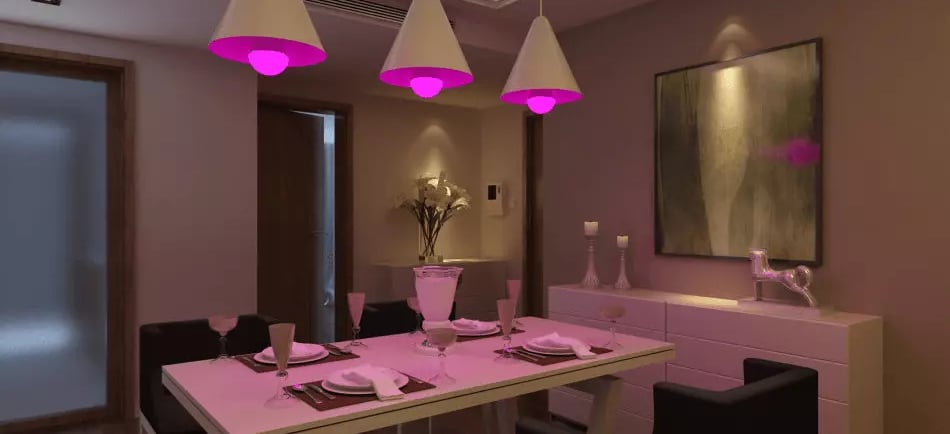
Dimming capabilities are another essential characteristic of smart lighting. Unlike traditional bulbs, smart lights offer the flexibility of adjusting brightness levels, allowing homeowners to create the desired ambiance. Whether you prefer a vibrant setting for gatherings or a soft glow for relaxation, dimming features significantly enhance user experience.
Color temperature adjustments are also available in many smart lighting solutions. This allows users to shift between warm and cool light settings, catering to different activities or times of the day. In addition to these features, smart lighting can integrate seamlessly with other smart home devices and ecosystems. This integration allows for coordinated control of various aspects of the home, resulting in a truly connected and intelligent living space.
Benefits of Smart Home Lighting
Smart home lighting systems bring numerous advantages that can significantly enhance a homeowner's experience. One of the most compelling benefits is energy savings. Traditional lighting options, particularly incandescent bulbs, consume a considerable amount of electricity. In contrast, smart LED bulbs are designed to use less energy, leading to lower monthly utility bills. Additionally, these systems can be programmed to automatically adjust brightness levels or turn off when not in use, further contributing to energy efficiency.
Another key advantage of smart lighting is the ability to create customized lighting atmospheres. Homeowners can tailor their lighting to suit various moods, activities, or times of day. Through intuitive apps or voice commands, users can easily enhance their environments, whether they are looking to set a relaxing ambiance for movie night or brighten their space for a home office setup. This level of control over lighting promotes both comfort and functionality in everyday life.
Enhanced home security is another notable benefit. Smart lighting systems can be programmed to simulate occupancy when homeowners are away, deterring potential intruders. By incorporating features such as motion detection and remote access through mobile devices, users can receive notifications when unusual activity is detected, providing peace of mind. The convenience of automation cannot be overlooked either; smart lighting can be integrated with other smart home devices, allowing for seamless routines, such as having lights automatically turn on at sundown.
Finally, investing in smart home lighting can increase property value. As technology becomes a focal point in real estate, homes equipped with modern, energy-efficient systems are attractive to potential buyers. Overall, homeowners can enjoy a more functional, efficient, and secure living environment by embracing smart lighting technologies.
Step-by-Step Guide to Setting Up a Smart Lighting System
Establishing a smart lighting system requires careful planning and execution to ensure a seamless experience. The first step in this process is to assess your lighting needs by examining each room in your home. Consider which areas require different lighting scenarios, such as workspaces needing bright, focused light or living rooms that may benefit from dimmable options. This assessment will help determine the number of smart bulbs or lights required.
Next, select the right products that are compatible with your existing electrical system and fit within your budget. There are various options available, including smart bulbs that easily replace traditional bulbs, smart light fixtures, and lighting strips. Research brands that offer reliable connectivity and excellent customer reviews to ensure quality. Look for features such as color temperature adjustment, app control, and voice assistant integration, which contribute to a more versatile smart lighting experience.
Once you have your products, installation can begin. Many smart lighting products are designed for easy DIY installation, but it is essential to follow the manufacturer's guidelines carefully. If you are replacing existing fixtures, ensure that the power is turned off at the circuit breaker to avoid electrical hazards. After successfully installing the devices, connect them to your home Wi-Fi network. Most smart lighting systems will require you to download a compatible mobile application, creating a central hub for control.
After installation, configuring your devices to maximize their potential is key. Personalize your settings within the app, including creating schedules for when lights turn on or off, adjusting brightness levels, or setting up scenes that suit your mood. Additionally, integrate your smart lighting with other smart home devices for enhanced automation, which can create an energy-efficient and user-friendly environment.
Best Smart Lighting Products in the Market
As the smart home trend continues to gain traction, numerous brands have introduced innovative lighting solutions that enhance both functionality and ambiance. Among these offerings, a few stand out for their reliability, technology, and user satisfaction. Here, we will review some of the best smart lighting products currently available, providing comparisons that aid consumers in making informed purchasing decisions.
First on the list is the Philips Hue series, which has established itself as a benchmark in the smart lighting category. Known for its extensive range of bulbs and fixtures, Philips Hue offers a variety of options compatible with major smart home ecosystems, including Apple HomeKit, Google Assistant, and Amazon Alexa. User reviews often highlight the impressive color range and ease of use, alongside prices that generally start around $15 for individual bulbs, increasing depending on functionality and specialty options.
Another reputable brand is LIFX, which provides high-quality smart bulbs that do not require a separate hub. LIFX bulbs are famous for their vibrant colors and high brightness, making them ideal for those who value ambiance. Prices can range from about $20 for basic models to $60 for the more advanced versions. User reviews frequently praise the simplicity of integration and the app's feature-rich interface, enhancing user experience.
For budget-conscious consumers, Wyze offers an impressive selection of smart lighting products. With prices starting around $8 per bulb, Wyze provides excellent value without compromising essential features. While the color options and brightness may not match those of premium brands, users appreciate Wyze's straightforward app and compatibility with smart assistants. Reviews commonly note that Wyze products deliver reliable performance at an accessible price point.
Lastly, the Sengled range should not be overlooked. Their smart lighting solutions are notable for being cost-effective and energy-efficient. With prices typically starting at $10 per bulb, Sengled offers versatility across different environments. Users have reported favorable experiences, particularly due to their straightforward installation process and compatibility with existing smart home systems.
The range of smart lighting products is exceptionally diverse, catering to a wide array of preferences and budgets. By considering the features, pricing, and user feedback for each option, consumers can confidently select the best smart lighting solutions to enhance their home experience.
Future of Smart Lighting Technology
The realm of smart lighting technology is poised for significant evolution, driven by advancements in artificial intelligence (AI), energy efficiency, and user-centric innovations. As smart homes increasingly incorporate interconnected devices, the role of lighting will expand, intertwining more deeply with other systems such as HVAC, security, and entertainment.
One of the forefront trends is the integration of AI, which is enhancing the capability of smart lighting solutions. With AI, lighting systems can learn about occupants' preferences and habits, allowing for personalized illumination scenarios that adapt over time. For example, lights may automatically adjust their brightness and color based on the time of day or specific activities, such as reading or watching a movie. This not only enhances user experience but also optimizes energy consumption by ensuring that lights are used efficiently.
In terms of energy-efficiency, advancements are leading to the development of smarter bulbs and fixtures that consume less power while providing greater luminosity. Innovations such as tunable white technology allow users to change the color temperature of their lights, which can aid in maintaining circadian rhythms and promoting better sleep. Furthermore, solar-powered solutions are becoming more prevalent in outdoor settings, offering sustainable options for homeowners seeking to minimize their carbon footprint.
Looking ahead, we can predict that smart lighting will not only enhance the functionality of homes but also influence architectural design and modern living. Designers will likely integrate smart lighting systems directly into the home’s structure, allowing for seamless controls and aesthetic appeal. In this way, lighting will become a critical factor in creating habitable spaces that promote wellness and comfort. Overall, the future of smart lighting technology promises to foster environments that are not only smarter but also conducive to improved quality of life.