Illuminate Your Life: The Revolution of Smart Home Lighting
12/16/20258 min read
Introduction to Smart Home Lighting
Smart home lighting is a pivotal component of modern household technology, representing a significant evolution from conventional lighting systems. At its core, smart lighting refers to lighting solutions that can be controlled remotely or programmatically, often through smartphones, tablets, or smart home hubs. The advent of Internet of Things (IoT) technology has accelerated the adoption of smart lighting, allowing homeowners to customize their illumination according to their unique preferences and schedules.
One of the foremost benefits of installation is increased energy efficiency. Traditional lighting methods can lead to excessive energy consumption, while smart bulbs and systems can adjust brightness levels, colors, and schedules, ensuring that lights are only used when necessary. This not only reduces electricity bills but also contributes positively to environmental sustainability. Homeowners now have the power to monitor energy usage and make informed decisions that enhance energy conservation.
Moreover, smart lighting solutions also elevate the comfort and security of homes. With features such as remote access and programmable settings, individuals can replicate their daily routines, ensuring that home lighting mirrors their activities. For instance, lights can be set to turn on automatically at sunset or can be controlled while away from home, providing an illusion of occupancy to deter potential intruders. Furthermore, many smart lighting products offer integration with voice assistants, adding an extra layer of convenience and accessibility.
In summary, the transformation from traditional to smart home lighting systems is undeniable. As technological advancements continue to shape our living spaces, more homeowners are embracing the advantages offered by smart illumination, resulting in enhanced energy efficiency, comfort, and security. This shift not only reflects changing consumer preferences but also sets the tone for the future of home lighting solutions.
Key Features of Smart Lighting Systems
Smart lighting systems are transforming how we interact with our homes, offering a level of convenience and customization that traditional lighting cannot. One of the standout features of these systems is voice control compatibility. Popular voice assistants, such as Amazon Alexa, Google Assistant, and Apple HomeKit, allow users to adjust their lighting through simple vocal commands, streamlining daily tasks and enhancing accessibility.
Another crucial aspect of smart lighting is remote access via mobile applications. This feature enables users to control their lights from anywhere, whether at home or away. With the corresponding smartphone app, individuals can switch lights on or off, adjust brightness, or even set schedules, ensuring that their home is always well-lit and secure. This flexibility supports various lifestyles, giving homeowners peace of mind by mimicking their presence when they are not home.
Integration with smart home platforms represents yet another essential element of smart lighting systems. These systems seamlessly work with other smart devices, such as smart thermostats, security cameras, and entertainment systems, creating a cohesive and efficient home ecosystem. This integration means that users can personalize their environments—for example, setting the lights to dim automatically when a movie starts or adjusting the brightness based on the time of day.
Moreover, energy efficiency is a critical consideration in smart lighting systems. Not only do LED bulbs consume significantly less electricity than traditional incandescent bulbs, but smart systems also offer features that help reduce energy waste. Automated scheduling and sensors that detect occupancy can further optimize energy usage, aligning both comfort and cost-effectiveness.
Lastly, customizable settings elevate the user experience by enabling specific moods or ambiances. With the capacity to adjust color temperatures and shades, users can create the perfect environment for any occasion, whether it's a relaxing evening or a vibrant gathering. These key features collectively underscore the advantages of adopting smart lighting systems in contemporary homes.
Energy Efficiency and Cost Savings
The adoption of smart home lighting systems offers a compelling case for both energy efficiency and cost savings. One of the primary advantages of smart lighting is the integration of energy-efficient bulbs, such as LED and CFL options, which consume significantly less electricity compared to traditional incandescent bulbs. This reduction in energy consumption directly correlates to lower electricity bills, contributing to substantial long-term economic benefits for homeowners. By utilizing these advanced lighting technologies, homeowners can expect to see a decrease in monthly utility expenses, often by as much as 75% during peak usage times.
In addition to immediate savings, the longevity of energy-efficient bulbs further enhances their appeal. LEDs, in particular, can last for up to 25,000 hours, significantly reducing the frequency of replacements. By investing in smart lighting solutions, individuals not only save on purchasing new bulbs but also minimize the waste associated with discarded, burned-out bulbs. This aligns with contemporary environmental stewardship efforts, as reducing waste is a critical component of sustainable living practices.
Moreover, smart lighting systems provide the added benefit of automation and remote control capabilities. Homeowners can program their lights to turn off or dim during certain hours or in response to occupancy, thereby maximizing energy savings. Through mobile applications or voice control, users can monitor and manage their lighting consumption effectively, ensuring that no electricity is wasted when a room is unoccupied.
Ultimately, the economic incentives for adopting smart home lighting extend beyond immediate savings; they include a reduced carbon footprint and an investment in technologies that contribute to a more sustainable future. As energy costs continue to rise, transitioning to intelligent lighting solutions proves to be a prudent choice for enhancing both fiscal responsibility and environmental consciousness.
Room-Specific Applications of Smart Lighting
Smart lighting technology has transformed the way we illuminate our spaces, allowing for enhanced functionality and improved ambiance tailored to various rooms. Each area of the home presents unique lighting requirements, making it essential to consider specific applications of smart lighting to create a harmonious living environment.
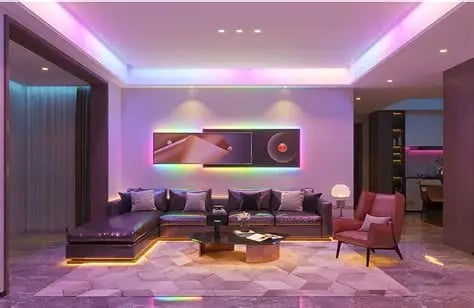
In the living room, smart lighting solutions can significantly enhance the atmosphere. With features such as adjustable brightness and color temperature, homeowners can transition between settings for everyday activities like reading or watching television to hosting gatherings. Utilizing smart bulbs that sync with entertainment systems to dim or shift colors during movie nights can create a captivating experience. Additionally, smart lighting can be programmed to simulate natural sunlight during the day, promoting a vibrant and inviting space.
Bedrooms necessitate a restful and soothing lighting arrangement. Dimmable smart lights can be effectively used to establish a calming environment, ideal for relaxation and sleep. Some systems even offer features like circadian lighting, which gradually adjusts the light output throughout the day to align with the body’s natural rhythms. Integrating bedside lamps that can be controlled via smartphones or voice-activated devices adds convenience to bedtime routines.
The kitchen, often referred to as the heart of the home, requires functional yet adaptable lighting. Smart LED strips under cabinets can illuminate countertops, enhancing safety while cooking. In addition, adjustable overhead lights can be modified for different tasks, such as food preparation or dining. Utilizing smart controls allows for effortless transitions between bright task lighting and warm ambient lighting, depending on the occasion.
Outdoor areas also benefit greatly from smart lighting applications. Motion-sensor lights can increase security by illuminating paths or patios when someone approaches. Furthermore, landscape lights can be programmed to enhance the outdoor ambiance during gatherings or intimate evening dinners. By integrating these solutions, homeowners can ensure that both functionality and ambiance are prioritized across all spaces.
Integrating Smart Lighting with Your Smart Home
Integrating smart lighting into your existing smart home ecosystem can significantly enhance your living experience, adding both convenience and efficiency. As smart home technology continues to evolve, compatibility with various devices has become a key consideration for homeowners. Most smart lights are designed to work seamlessly with popular voice assistants, such as Amazon Alexa, Google Assistant, and Apple HomeKit. This compatibility allows users to control their lighting effortlessly through voice commands, thereby providing a hands-free experience.
To achieve an integrated and coordinated lighting experience, selecting a compatible smart lighting system is essential. When choosing smart bulbs or fixtures, ensure they are designed to work with your preferred smart hub or home automation platform. These hubs serve as central control points for your smart devices, making it easier to manage multiple systems simultaneously. Some widely used hubs, like Samsung SmartThings and Wink, support a range of smart lighting options, allowing for a unified approach to home automation.
Once the smart lights are installed, setting them up involves connecting them to your home Wi-Fi network and linking them to your chosen smart hub. Most smart lighting products come with user-friendly apps that guide you through the configuration process. These applications typically enable users to customize their lighting settings, create schedules, and even establish automated routines that enhance energy efficiency. For instance, you might program your lights to adjust brightness based on the time of day or to turn off automatically when everyone leaves the house.
Moreover, integrating smart lighting with other smart devices, such as security cameras and motion sensors, can further augment your home’s functionality. By creating scenarios where lights respond to real-time events, such as turning on when motion is detected, you can enhance both security and convenience. Overall, a well-integrated smart lighting system contributes to a cohesive smart home environment, enabling effortless interaction and management of everyday tasks.
Why Choose Our Smart Lighting Products?
In a rapidly evolving market, discerning consumers seek smart lighting solutions that not only meet their needs but also exceed expectations. Our smart lighting products stand out for several key reasons, which can significantly enhance your home lighting experience. Reliability is a primary consideration when selecting lighting systems, and our products are engineered with the highest quality materials and advanced technology. This ensures prolonged durability and functionality, reducing the chances of frequent replacements or maintenance.
Moreover, our commitment to customer support is unrivaled in the market. We understand that transitioning to smart home technology can be daunting, which is why we offer comprehensive assistance at every stage, from installation to troubleshooting. Our customer service team is well-trained to address any queries or concerns efficiently, ensuring a smooth user experience. This level of support enhances consumer confidence in our brand, making us a preferred choice for many.
Innovation is another cornerstone of our smart lighting solutions. We continually invest in research and development to stay at the forefront of technology. Our products incorporate cutting-edge features, such as voice control, energy monitoring, and customizable lighting settings, allowing users to tailor their home atmosphere to their specific preferences. This aligns with the current trend towards energy efficiency and environmental sustainability, as our smart lighting systems are designed to optimize electricity usage without compromising on brightness or quality.
In conclusion, our smart lighting products are characterized by reliability, exceptional customer support, and continual innovation. These attributes not only make us a leader in the smart home lighting industry but also ensure that consumers enjoy an improved lighting experience that caters to their evolving needs. Choosing our solutions allows customers to illuminate their spaces intelligently, enhancing both aesthetics and functionality within their homes.
Getting Started: Tips for Upgrading to Smart Lighting
As homeowners explore the transformative world of smart home technology, upgrading to smart lighting presents an invaluable opportunity to enhance not only the aesthetic appeal of living spaces but also their functionality and energy efficiency. To embark on this upgrade, the first step is to identify specific needs. Consider which areas within the home require enhanced lighting control, such as the living room for ambiance or the kitchen for functionality. This evaluation will guide selections tailored to personalized usage patterns.
When selecting smart lighting products, it is essential to research various options available on the market. Look for smart bulbs and fixtures that are compatible with existing home automation systems. Popular protocols include Zigbee, Z-Wave, and Wi-Fi, and selecting products compatible with these networks ensures seamless integration. Furthermore, consider LED smart bulbs, as they not only provide vibrant light but also consume significantly less energy than traditional incandescent bulbs, contributing to energy efficiency.
Installation of smart lighting can be straightforward, particularly if one is replacing existing bulbs. Many smart bulbs screw directly into traditional sockets and can be set up through accompanying mobile apps. However, for more complex installations, such as those requiring smart switches or recessed lighting, it may be advisable to consult a professional electrician. This guarantees that the setup aligns with local electrical codes and functions correctly from the outset.
Once installed, optimizing smart lighting for convenience involves utilizing features like scheduling, remote access, and voice control. Programs allowing users to set lighting scenes based on their routines can substantially enhance daily living. Additionally, consider integrating motion sensors to further improve energy efficiency by ensuring lights only activate when necessary. By thoughtfully selecting and implementing smart lighting solutions, homeowners can achieve a customizable and efficient lighting environment that illuminates their lives.