Smart Lighting: The Lighting Revolution Driven by AI and the Internet of Things
12/25/20258 min read
Introduction to Smart Lighting
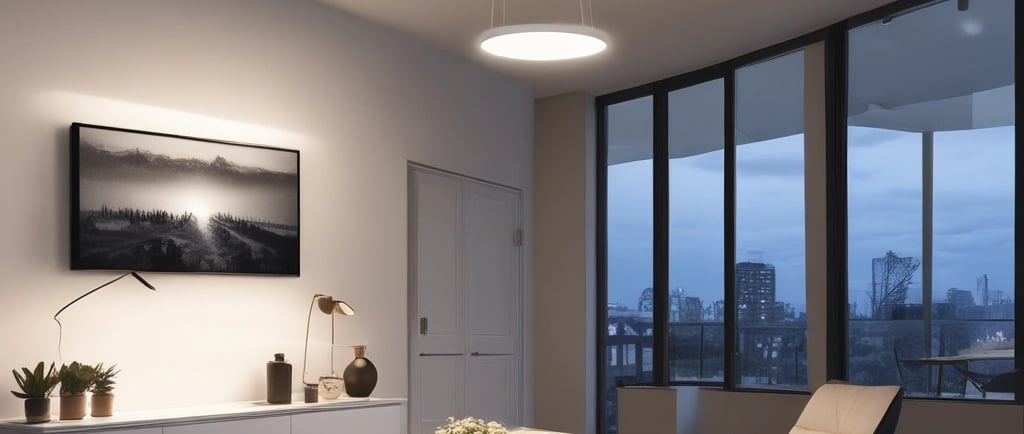
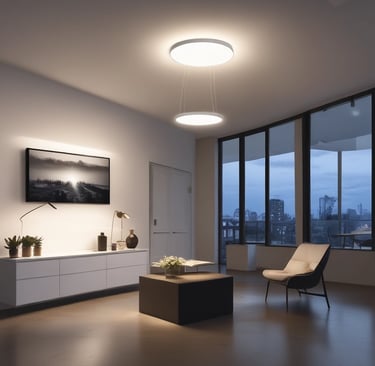
Smart lighting refers to advanced lighting systems that utilize technology to enhance and automate light illumination in a space. Unlike traditional lighting, smart lighting systems can be controlled remotely, often through a smartphone application or a web interface, making them an integral component of modern smart homes. This transformation of how we interact with light has been made possible through innovations in technology, particularly the advancement of the Internet of Things (IoT) and artificial intelligence (AI).
The evolution of lighting has been remarkable over the years. Initially, homes relied solely on incandescent bulbs, which required manual operation and offered limited efficiency. The introduction of compact fluorescent lamps (CFLs) and light-emitting diodes (LEDs) brought about improvements in energy efficiency and longevity. However, the real game-changer emerged with smart lighting, which integrates these energy-efficient bulbs with connected technologies.
As the demand for energy-efficient solutions rises, smart lighting systems have gained traction in residential and commercial settings. By enabling users to schedule lighting, adjust brightness, and even change colors according to their preferences, these systems enhance not only convenience but also security. For instance, smart lights can simulate occupancy by adjusting illumination levels when homeowners are away, thus deterring potential intruders.
The role of AI in this domain further amplifies the potential of smart lighting. Through machine learning algorithms, these systems can learn user behaviors and preferences, optimizing energy usage and providing personalized lighting experiences. Ultimately, smart lighting represents a significant leap in how we manage and utilize light in our environments, paving the way for more sustainable and intelligent living spaces.
The integration of Artificial Intelligence (AI) and the Internet of Things (IoT) is transforming the lighting landscape, bringing unprecedented advancements that enhance functionality, efficiency, and user experience. Smart lighting systems, empowered by these technologies, enable not only automated management but also personalized lighting environments tailored to individual needs.
Artificial Intelligence plays a pivotal role in the evolution of smart lighting by enabling data analytics and responsive behavior of lighting systems. By utilizing algorithms, AI can learn user patterns, preferences, and behaviors over time, creating dynamic environments that adapt to different conditions. For instance, AI-driven systems can determine when to adjust brightness levels based on the time of day or occupancy, resulting in optimized energy consumption.
Simultaneously, the IoT framework facilitates seamless communication between devices, allowing for remote monitoring and control of lighting systems. With embedded sensors and connectivity features, IoT-enabled lighting can interface with other smart home devices, providing a cohesive user experience. This interoperability allows users to customize their settings through smartphone applications or voice commands, simplifying the management of various light sources throughout their environment.
The combination of AI and IoT not only enhances energy efficiency but also promotes sustainability. By harnessing real-time data, these systems can reduce energy waste, contribute to cost savings, and help in minimizing greenhouse gas emissions. Moreover, enhanced lighting management can foster safer environments by ensuring that public areas remain adequately lit in response to real-time needs.
Ultimately, as AI and IoT technologies continue to advance, they will potentially revolutionize the way we perceive and utilize lighting systems, enabling smarter, more responsive, and eco-friendly environments for the future.
Benefits of Smart Lighting for Homeowners and Businesses
Smart lighting technology presents an array of advantages for both homeowners and businesses, primarily revolving around energy efficiency, cost savings, convenience, and enhanced security. One of the most compelling benefits is the potential for significant energy savings. Smart lighting systems can adjust brightness levels and switch off automatically based on occupancy or time of day, resulting in lower electricity bills. Studies indicate that households can reduce energy consumption by up to 30% through the implementation of smart lighting solutions.
For businesses, the advantages are equally pronounced. Commercial properties equipped with smart lighting can experience substantial reductions in operating costs. A report from the U.S. Department of Energy illustrates that businesses utilizing smart lighting can save an estimated $19 billion annually nationwide. This is achieved through features like occupancy sensors and integration with building management systems, streamlining energy use and lowering overhead costs.
In addition to financial savings, convenience is a significant advantage smart lighting offers. Homeowners benefit from the ability to control their lighting remotely via smartphones or voice-activated devices, which can be particularly useful for creating light schedules or adjusting settings when away from home. For businesses, this mobility allows facility managers to monitor and automate lighting settings across multiple locations effectively.
Moreover, enhanced security is another hallmark of smart lighting. Homeowners can program smart lights to simulate occupancy by turning on and off at predetermined intervals, thereby deterring potential intruders. Businesses can likewise use these systems for security purposes, ensuring that outdoor and entryway lights are activated during off-hours to enhance safety against theft or vandalism.
In the realm of smart lighting, the advantages cater distinctly to both residential and commercial users, aligning energy efficiency with convenience while maximizing security. The integration of AI and IoT in lighting systems is rapidly evolving, signaling a future where smart lighting will be integral to sustainable living and operational efficiency.
Popular Smart Lighting Solutions and Products in the Market
The advent of smart lighting has revolutionized how we approach illumination in our living and working spaces. With a variety of options available, it is essential to highlight some of the most popular smart lighting solutions currently on the market. These include smart bulbs, fixtures, and control systems designed to enhance convenience and efficiency.
One of the leading brands in smart lighting is Philips Hue. This innovative solution offers a vast array of smart bulbs, which are compatible with various fixtures and can be controlled via the Philips Hue app. Unique features include customizable color options and the ability to schedule lighting, although users may find the ecosystem a bit pricey compared to traditional bulbs.
Another notable player is LIFX, which provides smart bulbs known for their vibrant colors and high brightness levels. LIFX bulbs connect directly to Wi-Fi, removing the need for a hub, making setup easier. However, battery life can be a concern when operating at maximum brightness.
For those looking for a more integrated approach, brands like Ring and Wyze offer smart lighting kits that combine security features with lighting control. These solutions often include smart motion detection that automatically activates lights when motion is sensed. While these products enhance security and convenience, they may involve more complex installation procedures and depend on reliable internet connections.
In addition to individual products, smart lighting control systems like Google Nest and Amazon Echo cater to the demand for voice-controlled lighting. These systems allow users to adjust their lights effortlessly using voice commands, thus adding a layer of accessibility for individuals with mobility challenges. However, users should consider privacy concerns associated with smart devices in the home.
In conclusion, smart lighting solutions offer a diverse selection of products that cater to different consumer needs. While options vary in features, pricing, and integration, they all contribute to creating an enhanced lighting experience filled with automation and energy efficiency.
Integrating Smart Lighting with Other Smart Home Devices
In the era of smart homes, the integration of smart lighting with other connected devices significantly enhances user experience and convenience. Smart lighting systems can seamlessly interact with various smart home devices, such as voice assistants, thermostats, and security systems, creating a cohesive ecosystem that simplifies daily life.
For instance, when paired with a voice assistant like Amazon Alexa or Google Assistant, users can control their smart lights through simple voice commands. This allows for hands-free operation, enabling individuals to adjust brightness levels, change colors, or set schedules without the need to physically switch off or on their lights. Furthermore, automation scenarios can be programmed, such as having the lights dim when a movie is playing or turn off automatically when everyone leaves home.
Additionally, the integration of smart lighting with a smart thermostat can lead to energy conservation. For example, lights can be programmed to turn off in areas where no motion is detected, thereby saving electricity. In a more advanced setup, the thermostat can communicate with smart lighting, adjusting both heating or cooling and lighting levels based on the time of day and occupancy.
Moreover, security systems can greatly benefit from smart lighting integration. For example, during the night, motion sensors can trigger lights to illuminate pathways or entry points, providing an added layer of security. This not only deters potential intruders but also assists residents in safely navigating their homes. Similarly, when users receive alerts from their security systems, smart lights can be programmed to flash, signaling a potential issue, thus increasing situational awareness.
In summary, the interoperability of smart lighting with other smart devices fosters a more automated, convenient, and secure home environment. The versatility of these integrations allows users to tailor their smart home experiences to fit their unique lifestyles, providing both functionality and enjoyment. As the Internet of Things continues to evolve, the possibilities for enhancing smart home integrations are virtually limitless.
Challenges and Considerations in Adopting Smart Lighting Technology
As organizations and homeowners consider adopting smart lighting technology, several challenges and considerations emerge that warrant attention. One primary concern is compatibility with existing systems. Many buildings are equipped with traditional lighting infrastructures that may not seamlessly integrate with new smart lighting solutions. This necessitates careful evaluation of whether an organization's current hardware can support smart lighting functionalities, or if a complete overhaul of the lighting system is required. Such compatibility issues can lead to increased costs and extended timelines during installation.
Security concerns also play a significant role in the decision-making process when it comes to smart lighting technologies. Since these systems are increasingly reliant on the Internet of Things (IoT), they can become potential targets for cyber-attacks. Hackers may exploit vulnerabilities in connected devices, potentially compromising not just the lighting systems but also broader networks that manage security and safety. Therefore, choosing a smart lighting system with robust security features, such as encryption and secure authentication processes, is essential to protect against potential threats.
Installation complexities should not be overlooked when considering smart lighting systems. These devices often require specialized knowledge for setup and configuration. Organizations may need to invest in professional installation services, which can add to upfront costs. Furthermore, ongoing maintenance and updates will be necessary to ensure optimal performance and security, raising questions about the long-term commitment required to manage smart lighting systems.
Finally, when selecting a smart lighting solution, users should assess how well it aligns with their specific needs and existing infrastructure. Factors such as adaptability, ease of use, scalability, and customer support play critical roles in making an informed decision. By addressing these challenges proactively, users can facilitate a smoother transition to smart lighting technologies, ultimately enhancing energy efficiency and user experience.
The Future of Smart Lighting: Trends and Innovations
As we look towards the future of smart lighting, several trends and innovations are poised to reshape the landscape of lighting technology. Central to these advancements is the integration of 5G connectivity, which will provide unprecedented bandwidth and speed for smart lighting systems. This enhanced connectivity allows for real-time data transmission, enabling more responsive and adaptive lighting solutions that can better meet the needs of both residential and commercial users.
Advanced artificial intelligence (AI) algorithms are also becoming increasingly important in the evolution of smart lighting. These algorithms can analyze vast amounts of data to optimize lighting patterns based on user behavior and environmental conditions. By using predictive analytics, smart lighting systems can anticipate needs, such as adjusting light levels in response to the amount of natural light available or user occupancy patterns. This level of automation not only improves energy efficiency but also enhances user comfort.
Sustainability efforts are another key trend shaping the future of smart lighting. With growing concerns about climate change and resource depletion, the development of energy-efficient lighting technologies is crucial. Innovations such as solar-powered smart lighting and LED technology offer substantial reductions in energy consumption compared to traditional lighting options. These sustainable solutions align with global initiatives aimed at reducing carbon footprints and promoting environmentally friendly practices.
Additionally, the integration of smart lighting into urban planning is expected to redefine city landscapes. Cities around the globe are beginning to incorporate smart lighting into their infrastructure to enhance safety, reduce energy costs, and improve the quality of life for residents. These advancements not only promise efficiency but also create opportunities for enhanced user engagement through interactive lighting experiences. As lighting technologies evolve, they will significantly impact consumer behaviors, leading to a shift in how society interacts with its environment.