Illuminating Your Life: A Comprehensive Guide to Smart Home Lighting
12/28/20258 min read
Introduction to Smart Home Lighting
Smart home lighting signifies a significant advancement in illumination technology, transforming how homeowners control their living spaces. At its core, smart lighting refers to systems that allow users to control the lighting within their home remotely or automatically; these systems utilize advanced technology to enable various functionalities such as dimming, color changing, and scheduling. This innovation is made possible through the integration of connectivity options, primarily via Wi-Fi, Bluetooth, or Zigbee protocols, which link lighting fixtures to smart devices like smartphones and voice assistants.
Historically, lighting technology has evolved from traditional incandescent bulbs to compact fluorescent lamps (CFLs) and subsequently to light-emitting diode (LED) solutions. The advent of smart lighting represents the next logical step in this journey, as it offers not only energy efficiency but also customizable lighting experiences tailored to individual preferences and moods. Homeowners can now select specific colors and intensities, set schedules, and even create scenes that enhance the ambiance of various areas within their homes.
The rising popularity of smart home lighting can be attributed to several factors. First, as energy conservation becomes increasingly vital, many individuals seek efficient solutions that reduce electricity consumption. Smart lighting systems significantly lower energy use by allowing users to turn off lights remotely or utilize automated schedules. Second, there is a growing demand for enhanced convenience and security. Smart bulbs can simulate presence when homeowners are away, deterring potential intruders. Lastly, the integration of smart lighting within broader smart home ecosystems adds a layer of sophistication, harmoniously connecting with devices that optimize daily living.
Benefits of Smart Lighting Systems
Smart home lighting systems offer a multitude of benefits that can significantly enhance the quality of life for users. The first major advantage is convenience. With the integration of smart technology, individuals can control their lighting remotely using smartphones or voice commands. For instance, a user can adjust the brightness or switch off lights while lying in bed, ensuring a seamless transition to relaxation without the need to navigate through a dark room.
Another notable benefit is energy efficiency. Smart lighting systems allow for automatic dimming or scheduled operation, thereby reducing energy consumption. For example, lights can be programmed to turn off when no one is present in a room, leading to substantial savings on electricity bills over time. Additionally, many smart bulbs are designed to be energy-efficient, consuming less power than traditional incandescent bulbs.
Customization is also a key feature of smart lighting. Users can choose from a spectrum of colors and brightness levels, adapting their lighting according to specific moods or activities. Whether it’s a warm glow for a dinner party or a bright white for focused work, the flexibility provided by smart lighting caters to diverse preferences. Furthermore, users can create lighting scenes or schedules that match their daily routines, enhancing the overall lifestyle quality.
Enhanced security is yet another compelling aspect of smart home lighting. With features such as automated lighting schedules or the ability to remotely control lights, homeowners can deter burglars by simulating occupancy even when away. For instance, lights that turn on and off at set intervals can give the impression that someone is home, thus providing an additional layer of security.
Finally, improved ambiance contributes significantly to the appeal of smart lighting. The ability to manipulate light settings allows users to create inviting environments tailored to specific occasions. Whether it involves soft lighting for a cozy movie night or bright lights for a vigorous workout session, smart lighting can effectively shape the mood of any space.
Types of Smart Lighting Solutions
Smart home lighting continues to evolve, providing homeowners with numerous options to enhance their living environments. The primary categories of smart lighting solutions include smart bulbs, smart switches, and smart lighting systems. Each category serves a distinct purpose and offers unique functionalities that can improve both convenience and energy efficiency.
First, smart bulbs are perhaps the most recognizable form of smart lighting. These LED bulbs connect directly to a home’s Wi-Fi network and can be controlled via mobile applications or voice commands. Users can adjust brightness, color temperature, and create schedules to suit their lifestyles. Additionally, many smart bulbs are compatible with popular voice assistants like Amazon Alexa or Google Assistant, allowing for seamless integration into a smart home ecosystem.
Next, smart switches represent another significant advancement in home lighting control. Unlike smart bulbs, which replace traditional light sources, smart switches are installed in place of standard wall switches. This solution allows homeowners to control multiple light fixtures from a single point, making it a practical choice for larger spaces. Smart switches can often be programmed to set specific lighting scenes or operate on a preset schedule, providing flexibility and energy savings over time.
Finally, smart lighting systems, which encompass a range of interconnected devices, provide a comprehensive solution for managing home lighting. These systems include smart bulbs and switches, along with sensors and hubs that coordinate their activities. For instance, a full smart lighting system can automate lights to turn on or off based on room occupancy or adjust brightness in response to natural light levels. Such integration ensures a cohesive user experience and maximizes energy efficiency.
In conclusion, each type of smart lighting solution—whether it be smart bulbs, smart switches, or full lighting systems—offers distinct advantages that contribute to a more connected and efficient living space. By understanding these options, homeowners can make informed decisions tailored to their unique needs and preferences.
How to Choose the Right Smart Lighting for Your Home
Selecting the appropriate smart lighting for your home involves several essential considerations that can significantly enhance your living environment. One of the first factors to assess is compatibility with your existing systems. Smart lighting devices should seamlessly integrate with your current smart home setup, such as smart hubs or voice assistants. It is prudent to verify whether the lighting products are compatible with platforms like Amazon Alexa, Google Assistant, or Apple HomeKit. This ensures that you can control your lights through your preferred method.
Budget is another critical aspect to consider when choosing smart lighting solutions. The cost can vary widely based on features, brand, and technology. It may be beneficial to establish a budget before diving into options to avoid overspending. While some premium models offer advanced functionalities like color-changing features or app control, more affordable options may be suitable for basic needs.
The desired features of smart lighting should also be aligned with your personal preferences and lifestyle. For instance, if you enjoy hosting or require a cozy ambiance, look for lights with adjustable brightness and colors. Motion sensor capabilities and smart scheduling can also enhance convenience and energy efficiency. Furthermore, considering the design aesthetic of the light fixtures is essential, as they should complement your home decor.
Lastly, personal preferences play a significant role in your choice of smart lighting. Assess how the lighting can impact your daily routines - whether you seek dynamic lighting for activities or a calming ambiance for relaxation. Taking these aspects into account will aid you in making an informed decision that not only meets your functional needs but also enhances the overall atmosphere of your home.
Setting Up Your Smart Home Lighting System
Establishing a smart home lighting system begins with understanding your specific lighting needs and preferences. Identify the areas you want to illuminate smartly, whether it’s the living room, kitchen, or outdoor spaces. This step will help you determine the types and quantities of smart lights required for your setup.
Once you have a clear idea of your lighting goals, the first practical step is selecting the right smart bulbs or fixtures. Popular options include LED smart bulbs that can change color, dim, or be controlled remotely. It is essential to ensure that the devices you choose are compatible with your existing home network, typically connected via Wi-Fi or Zigbee protocols.
Next, proceed with the installation. Most smart lighting devices follow a straightforward installation process. Simply replace your regular bulbs with the smart ones according to the manufacturer's instructions, ensuring the power is turned off to avoid any electrical mishaps. For smart fixtures, you might need basic wiring knowledge or assistance from a professional electrician.
After installation, the next step is to configure your smart lights. Download the respective app associated with your lighting devices on your smartphone. Follow the app’s setup instructions, which will usually involve connecting the lights to your Wi-Fi network and creating an account. Smart assistants like Amazon Alexa, Google Assistant, or Apple HomeKit can also provide additional integration options, allowing for voice control and automated lighting scenarios.
Once your smart lighting system is set up, you may encounter common issues such as connectivity problems or troubleshooting device responsiveness. Ensure your Wi-Fi signal is strong in all areas where smart lights are installed. Additionally, check for any firmware updates for your devices through the app, as manufacturers frequently release updates to enhance performance and compatibility.
Innovative Use Cases for Smart Lighting
Smart home lighting has transcended traditional illumination to become an essential aspect of modern living. Its applications extend far beyond merely turning lights on and off remotely; innovative use cases showcase the incredible versatility of smart lighting and how it enhances both functionality and ambiance in the home.
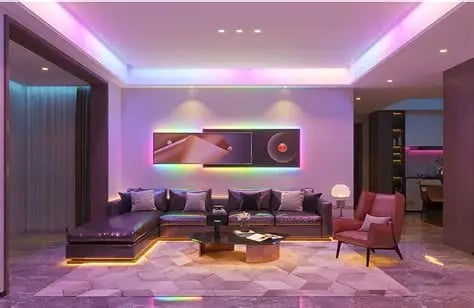
One of the notable applications of smart lighting is in creating mood lighting for various occasions. Homeowners can configure their smart lights to emit a soft, warm glow for relaxing evenings or vibrant colors for parties, transforming the atmosphere effortlessly. With the ability to change hues and intensities using a smartphone app or voice command, these lighting solutions can cater to different preferences, making events more enjoyable and personalized.
Security is another primary benefit of smart lighting systems. These advanced devices can simulate occupancy by automatically turning on and off at random intervals, deterring potential intruders. Utilizing sensors, smart lights can adjust based on movement, ensuring that pathways and entrances are well-lit when someone is near. Additionally, outdoor smart lights can be programmed to activate in response to environmental changes, such as dusk, enhancing safety and visibility around the home.
Smart lighting also integrates seamlessly with other smart home devices, offering practical solutions for daily routines. For instance, it can be connected to smart speakers and assistants, allowing users to control lighting with voice commands, schedule lighting changes, or set up automated routines for wake-up or bedtime. As a result, chores are simplified, contributing to a more efficient daily life.
The adaptability of smart lighting solutions highlights their importance in contemporary homes. From enhancing moods to providing security, innovative use cases underscore the myriad ways these intelligent systems can be utilized, ultimately enriching the lives of homeowners by combining convenience, ambiance, and safety.
Future Trends in Smart Home Lighting
The landscape of smart home lighting is evolving rapidly, driven by technological advancements and shifting consumer preferences. One of the most significant trends in this field is the integration of smart lighting into broader smart home ecosystems. This connectivity allows for seamless communication between different smart devices, enabling users to manage all aspects of their home environment from a single interface. For instance, lighting systems can be programmed to respond to various triggers, such as a homeowner's arrival or departure, contributing to enhanced convenience and energy efficiency.
Another notable trend is the continuous advancement in energy-saving technologies. The rise of LED bulbs has already marked a significant step towards reducing energy consumption, but future innovations are expected to go further. Manufacturers are exploring smart dimming solutions and motion-sensing capabilities that can adjust lighting based on occupancy, which has the potential to lower utility costs and lessen the environmental impact significantly. Additionally, there is a growing focus on developing products that utilize renewable energy sources, aligning smart lighting solutions with sustainable living practices.
Artificial intelligence (AI) is poised to revolutionize smart home lighting further through the introduction of adaptive lighting systems. These AI-driven solutions can learn from user behavior, automatically adjusting brightness and colors to match individual preferences or daily routines. For instance, an intelligent system may create a vibrant atmosphere for work during the day and transition to a softer, relaxing ambiance in the evening. Such capabilities not only enhance user experience but also optimize energy usage, ensuring that lights are only active when needed.
Overall, the future of smart lighting offers exciting possibilities through integration, energy efficiency, and intelligent automation. As technology continues to advance, consumers can expect even more innovative solutions that illuminate their lives in ways they have not yet imagined.