Global Smart Lighting Trends 2025
The global smart lighting market continues to grow in 2025, becoming one of the fastest-growing segments in the lighting industry in terms of technological innovation and market expansion. Industry research indicates that the smart lighting market is expected to expand further in 2025,
12/14/20252 min read
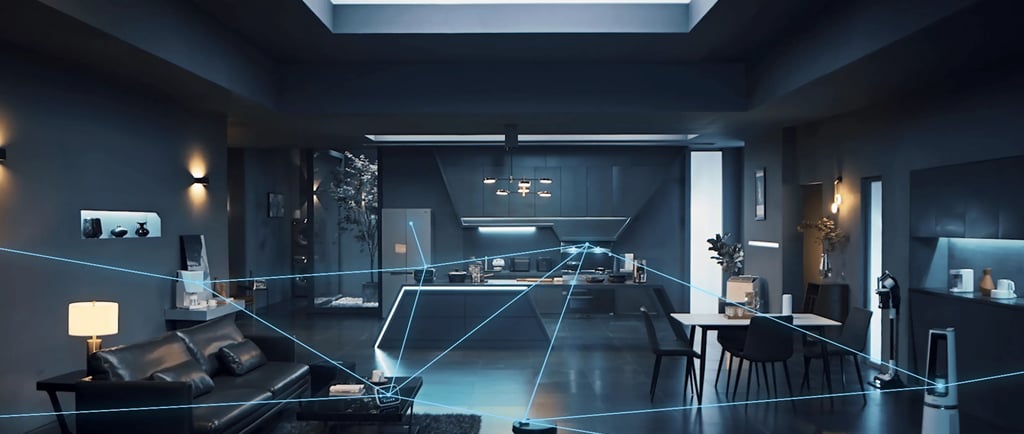
The global smart lighting market continues to grow in 2025, becoming one of the fastest-growing segments in the lighting industry in terms of technological innovation and market expansion. Industry research indicates that the smart lighting market is expected to expand further in 2025, maintaining a compound annual growth rate (CAGR) of approximately 18–21% between 2024 and 2029. Market value is increasing significantly, with strong potential in the coming years. (gii.tw)
Smart lighting adoption is no longer limited to residential applications; it also spans commercial facilities, offices, public urban infrastructure, and horticultural lighting. Demand is particularly strong in areas such as smart city development, human-centric lighting, and connected ecosystems. (intelasia.net)
2. Key Trends
1. Human-Centric and Health-Focused Lighting (HCL)
Smart lighting is no longer just about brightness or aesthetics—optimizing human circadian rhythms and health is becoming a key trend. Smart fixtures can adjust color temperature and simulate natural light cycles to improve sleep quality, enhance work efficiency, and support overall wellbeing. (linkedin.com)
2. AI and Automation for Smarter Experiences
Artificial intelligence (AI) and machine learning are rapidly advancing in smart lighting. AI systems can autonomously adjust lighting, optimize schedules, and manage energy based on environmental changes and user behavior patterns. This is particularly effective for energy savings in commercial and office environments. (linkedin.com)
3. IoT and Connected Platforms
With the maturation of IoT platforms and standardized protocols (e.g., Matter, Zigbee, Wi‑Fi), smart lighting products are increasingly compatible and interoperable. Different brands of smart lights can now integrate seamlessly into smart home systems, enabling voice control, remote management, and scene automation. (newsbites.hktdc.com)
For example, many lighting brands are launching Matter-compatible product lines to support full ecosystem integration and cross-platform cooperation. (theverge.com)
4. Sustainable and Green Lighting Technologies
Environmental protection and energy efficiency remain core drivers of the industry:
LED and low-power designs continue to dominate the market;
Solar-powered smart lighting and recyclable materials are gaining popularity;
Intelligent dimming and daylight-harvesting technologies reduce energy consumption and extend product lifespan. (accio.com)
In outdoor and urban applications, eco-friendly smart streetlights and solar smart lights are seeing rapid growth, supporting low-carbon city initiatives.
5. Li‑Fi and Emerging Communication Technologies
Future smart lighting networks will not only provide illumination but also high-speed data communication. Li‑Fi (light-based communication) is moving from theory to commercial application, offering higher bandwidth and more secure data transmission than traditional Wi‑Fi in commercial and industrial settings. (linkedin.com)
3. Market Segments and Applications
1. Residential Lighting
Automatic brightness and color temperature adjustment;
Integration with smart speakers, smart curtains, and other smart home devices;
Personalized lighting scenes (e.g., relaxation, work, night mode).
2. Commercial and Office Lighting
Motion-sensor and energy-optimized control;
AI-driven environment learning;
Enhanced employee comfort and productivity.
3. Smart City and Outdoor Infrastructure
Remote monitoring and fault alert capabilities in smart streetlights;
Integration with traffic and security systems;
Reduced maintenance costs and improved public safety.
4. Future Directions and Challenges
Opportunities
Accelerated smart city projects will expand outdoor smart lighting deployment;
Growing consumer demand for a complete smart home experience will increase smart lighting penetration;
Businesses seeking lower energy costs will continue replacing traditional systems with smart lighting.
Challenges
Lack of fully unified interoperability standards may affect user experience;
Device security and data privacy are key concerns;
High-end AI and Li‑Fi technologies still face cost and maturity hurdles.
5. Conclusion
By 2025, smart lighting has shifted from being a “tech accessory” to a fully intelligent infrastructure. From residential to urban applications, from health-oriented lighting to energy management, smart lighting is reshaping the ecosystem of the lighting industry, integrating energy efficiency, user experience, and data-driven services.
Whether in consumer or commercial applications, smart lighting will continue to be a key component of IoT and smart home ecosystems, demonstrating the future of “light” intertwined with “intelligence.”