Smart Home Lighting: Make Your Home Smarter and More Comfortable
In modern homes, smart home systems are no longer a futuristic concept—they are becoming a reality for many households. Among these, smart home lighting is one of the most popular applications. It not only provides basic illumination but also enhances comfort,
1/14/20262 min read
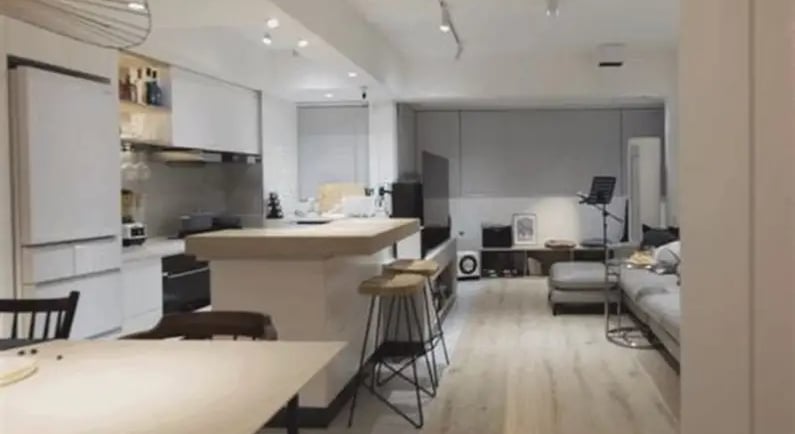
In modern homes, smart home systems are no longer a futuristic concept—they are becoming a reality for many households. Among these, smart home lighting is one of the most popular applications. It not only provides basic illumination but also enhances comfort, energy efficiency, and security, creating a truly intelligent living environment.
What is Smart Home Lighting?
Smart home lighting is a lighting system that uses internet connectivity and intelligent control technology to allow remote control, automated adjustments, and customized lighting scenes. Unlike traditional lighting, smart lighting can be managed through mobile apps, voice assistants, timers, or sensors, offering a highly personalized lighting experience.
Key Features of Smart Lighting
Remote Control
Control your lights from anywhere using a smartphone or tablet, adjusting brightness, color, and power with ease.Automated Adjustment
Lights can automatically respond to environmental changes with motion or ambient light sensors, such as gentle morning wake-up lighting or night-time motion-activated illumination.Energy Efficiency
Smart lighting systems reduce unnecessary energy consumption by adjusting brightness intelligently and using LED bulbs.Customizable Scenes
Create various lighting scenarios for different activities—movie mode, party mode, reading mode—to enhance your lifestyle.
Why Choose Smart Home Lighting?
Enhance Comfort
Smart lighting can adjust brightness and color temperature according to your daily routines. Soft white light in the morning can help you wake naturally, while warm evening light promotes relaxation before bed.
Improve Safety
With scheduled lighting or remote control, your home can appear occupied even when you are away, reducing the risk of burglary.
Save Energy and Costs
Smart lighting combined with energy-efficient LED bulbs reduces electricity waste, lowering your monthly energy bills.
Integration with Smart Home Ecosystems
Smart lighting can work seamlessly with other devices like smart speakers, security systems, and automated curtains. For example, a “Welcome Home” mode can unlock your door, turn on lights, open curtains, and play your favorite music automatically.
Types of Smart Home Lighting
1. Wi-Fi Smart Bulbs
Connect directly to your home Wi-Fi network and control via mobile apps or voice assistants. Simple to install, with no extra hub required.
2. Zigbee / Z-Wave Smart Lights
Require a hub or smart controller for more stable multi-device operation. Ideal for full-home smart lighting setups.
3. Smart LED Strips
Perfect for accent lighting in TVs, kitchens, or bedrooms. Colors can sync with music or scenes for dynamic effects.
4. Motion Sensor and Dimmable Lights
Automatically turn on or adjust brightness based on motion or ambient light, offering convenience and safety.
How to Choose the Right Smart Lighting Solution
Identify Your Needs
Are you upgrading a single room or implementing a full-home smart lighting system?Control Method
Will you use a mobile app, voice assistant (Alexa, Google Home, Siri), timer, or sensor-based automation?Compatibility
Ensure your lights are compatible with your existing smart home ecosystem to avoid conflicts.Budget and Quality
High-quality LED bulbs and smart modules may cost more upfront but offer longer life and lower maintenance.
Future Trends in Smart Home Lighting
More Automation and Context-Aware Scenes
AI and sensors will adjust lighting based on weather, mood, or daily routines automatically.Health-Focused Lighting
Smart lights will regulate color temperature and brightness to improve sleep quality and overall well-being.Green and Energy-Efficient Solutions
Intelligent energy management systems will further reduce household electricity consumption.Full Home Integration
Smart lighting will interact seamlessly with security, HVAC, curtains, and entertainment systems, creating a complete smart home experience.
Conclusion
Smart home lighting is more than just an upgrade to your lamps—it is a transformation of how you live. It enhances comfort, safety, energy efficiency, and the overall smart home experience. Whether you are upgrading a single room or implementing a full-home system, choosing the right smart lighting solution can significantly improve your quality of life.