Smart Home Lighting: Transform Your Space with Light That Works for You
Blog post description.
1/8/20264 min read
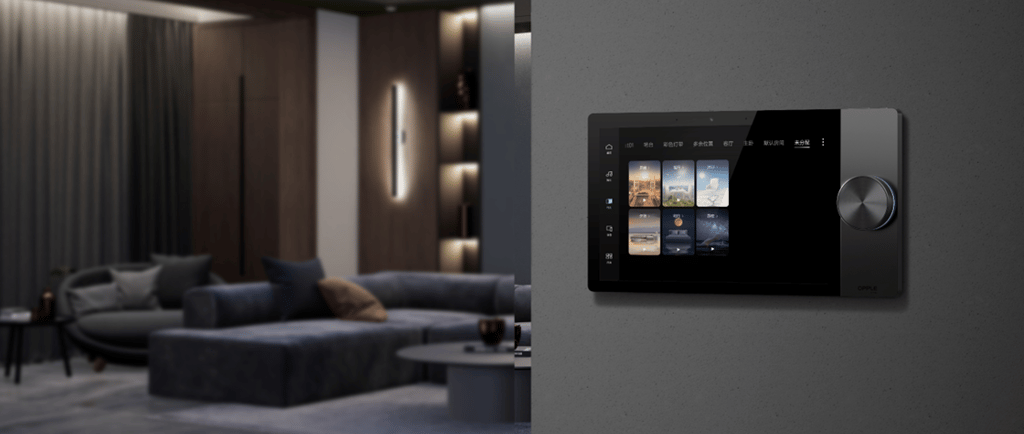
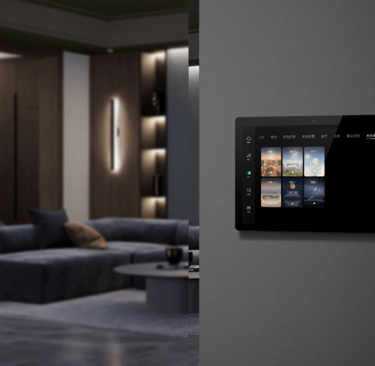
Gone are the days of fumbling for light switches or being stuck with harsh, one-size-fits-all illumination. Smart home lighting has evolved from a “nice-to-have” tech gadget to a core part of modern living—blending convenience, energy efficiency, and personalization to elevate how we interact with our homes. Whether you’re a tech novice or a seasoned smart home enthusiast, here’s why smart lighting deserves a spot in your space, plus how to make the most of it.
Why Smart Lighting? The Game-Changing Benefits
Let’s start with the basics: what makes smart bulbs, strips, and fixtures better than traditional lighting? The answer boils down to control, flexibility, and sustainability—all wrapped in user-friendly technology.
First, unmatched convenience. Imagine walking into your dark living room and saying, “Alexa, turn on the lights” (no more tripping over coffee tables!). Or adjusting brightness from your phone while curled up on the couch, no need to get up. Smart lighting also syncs with your schedule: set lights to fade on at sunrise to gently wake you up, or turn off automatically when you leave the house—no more worrying if you forgot to flip the switch.
Then there’s personalization. Smart bulbs aren’t limited to “on” or “off”—most offer millions of color options and adjustable warmth (from cool blue-white to cozy warm yellow). Host a movie night? Dim the lights to a soft amber glow. Throw a party? Sync lights to your music for a DIY disco effect. Working from home? Switch to bright, cool light to boost focus. Your lighting adapts to your needs, not the other way around.
Sustainability is another big win. Smart bulbs (especially LED models) use up to 80% less energy than incandescent bulbs and last 25 times longer. Plus, features like motion sensors (lights turn off when no one’s in the room) and dimming help cut down on unnecessary energy use—saving you money on bills while reducing your carbon footprint.
Must-Try Smart Lighting Features (That Actually Improve Daily Life)
Smart lighting isn’t just about “talking to your bulbs”—it’s about creating a seamless experience that fits your routine. Here are the features worth prioritizing:
1. Voice & App Control
The foundation of smart lighting: control lights via voice assistants (Amazon Alexa, Google Assistant, Apple Siri) or a dedicated app (like Philips Hue, LIFX, or Samsung SmartThings). It’s perfect for hands-free moments (cooking, holding groceries) or managing lights from anywhere—even if you’re on vacation (set lights to turn on/off randomly to deter burglars).
2. Scenes & Automations
This is where smart lighting truly shines. Create “scenes” for specific activities:
Morning Routine: Lights fade from warm red to bright white over 30 minutes to mimic sunrise (no more jarring alarms!).
Work Mode: Bright, cool light (5000K) in your home office to enhance focus.
Relax Evening: Soft, warm light (2700K) in the bedroom and living room to wind down.
Away Mode: Randomly toggles lights to make it look like someone’s home.
Automations take it a step further: set lights to turn on when your phone’s GPS detects you’re near home, or sync with your smart thermostat to adjust lighting based on room temperature.
3. Color & Tunable White
As mentioned earlier, color options add fun and functionality. Warm white (2200K-2700K) is ideal for bedrooms and living rooms (promotes relaxation), while cool white (4000K-5000K) works for kitchens, bathrooms, and home offices (enhances alertness). Some bulbs even offer “circadian lighting” that shifts color temperature throughout the day to align with your body’s natural rhythm.
4. Sync with Other Smart Devices
Smart lighting plays well with other tech. Pair it with motion sensors (lights turn on when you enter a room), smart cameras (lights flash if motion is detected), or even your TV (Philips Hue Sync lets lights react to what’s on screen—think: blue tones during a ocean documentary, red flashes during an action scene).
Getting Started: Smart Lighting for Beginners
If you’re new to smart home tech, don’t overwhelm yourself—start small and expand gradually. Here’s how:
1. Choose a Ecosystem
Pick a smart home ecosystem that fits your existing devices:
Amazon Alexa: Great if you have Echo speakers or Fire TV.
Google Home: Works seamlessly with Android phones and Google Nest devices.
Apple HomeKit: Best for iPhone/iPad users (requires a HomePod or Apple TV as a hub).
2. Pick Entry-Level Products
You don’t need to replace every light in your house. Start with 1-2 smart bulbs (Philips Hue White & Color Ambiance, LIFX Mini, or Wyze Bulb—affordable and easy to set up) or a smart light strip (perfect for under cabinets, behind TVs, or along staircases). Most plug-and-play options don’t require electrician skills—just screw in the bulb, connect to Wi-Fi, and you’re ready to go.
3. Experiment & Customize
Once you’re set up, play with scenes, colors, and automations to find what works for you. For example:
Set kitchen lights to turn on when your smart coffee maker starts brewing.
Use motion sensors in the hallway so lights turn on when you get up at night (no more bright overhead lights blinding you).
Sync outdoor lights to sunset so your porch is lit when you get home.
Final Thoughts: Smart Lighting Is More Than Tech—It’s About Comfort
At its core, smart home lighting is designed to make life easier, more comfortable, and more enjoyable. It’s not about having the fanciest gadgets—it’s about having lights that adapt to your lifestyle. Whether you’re looking to save energy, add ambiance, or simply avoid fumbling for switches, smart lighting is a simple upgrade that delivers big results.
Ready to dive in? Start with one bulb, experiment, and watch how a little smart light can transform your home—one scene at a time.